 Tweet
Tweet
I made a mistake at the start of the Subaru head gasket repair and had Bro. Dave drawfile the block deck. My ancient knowledge was that this was a good way to flatten castings and it works great - on cast iron. I gouges aluminum all to pieces and leaves a bad finish for MLS gaskets. Shy of taking it to a machine shop I was kind of stuck when my buddy Dave Rackley who owns the repair shop just down the street from me, gave me the right answer - sandpaper!
So I made a dead flat sanding block using my jointer (woodworking machines can come in handy in a car shop), got out a roll of 180 grit adhesive sandpaper that I had and, with the addition of elbow grease, we got a beautiful finish. In the future I'd use hardwood (probably oak) w/o knots as I had to reface the block once but this was a great solution.
Pics:
The deck after drawfiling: (Pretty ugly)

The homebrew sanding block, made to fit the paper and a couple of inches longer than the deck surface so it was easy to keep it flat on the deck. A block for, say, a V8, would likely need to be maybe 20" or so.

And the result (TA-DA!). I'm really pleased with this finish which is every bit as nice as the heads which are fresh from the machine shop.

Lessons learned:
Keep steel away from aluminum heads and blocks. Use gasket remover and a plastic or wooden scraper. I'll be installing a new head on the replacement LS that should be on it's way and I'll follow my own advice. If you need to flatten a surface, the method we used here seems excellent and I won't hesitate to use it again if needed.
Now we're waiting for the rest of our Time-Serts so we can get Dave back on the road. They were supposed to be here yesterday but didn't make it - I'm guessing tomorrow.
Dan
So I made a dead flat sanding block using my jointer (woodworking machines can come in handy in a car shop), got out a roll of 180 grit adhesive sandpaper that I had and, with the addition of elbow grease, we got a beautiful finish. In the future I'd use hardwood (probably oak) w/o knots as I had to reface the block once but this was a great solution.
Pics:
The deck after drawfiling: (Pretty ugly)
The homebrew sanding block, made to fit the paper and a couple of inches longer than the deck surface so it was easy to keep it flat on the deck. A block for, say, a V8, would likely need to be maybe 20" or so.
And the result (TA-DA!). I'm really pleased with this finish which is every bit as nice as the heads which are fresh from the machine shop.
Lessons learned:
Keep steel away from aluminum heads and blocks. Use gasket remover and a plastic or wooden scraper. I'll be installing a new head on the replacement LS that should be on it's way and I'll follow my own advice. If you need to flatten a surface, the method we used here seems excellent and I won't hesitate to use it again if needed.
Now we're waiting for the rest of our Time-Serts so we can get Dave back on the road. They were supposed to be here yesterday but didn't make it - I'm guessing tomorrow.
Dan
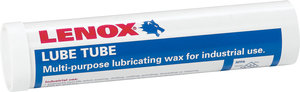
 Be careful, sandpaper with a wood backing may mush around the features slightly and affect local flatness, but you'd have to be on it pretty hard to do that. Aluminum does gall...sawblade wax, Boe-Lube, even WD-40 saturating the cutting tool (in this case, the file) is a must. Even sandpaper will work better on aluminum with a little of one of the above on it. You used to be able to buy this greasy waxy material in a cardboard roll similar to breakfast rolls but you were to apply the end of it to the cutting tool or media directly rather than unroll it. Worked like magic on aluminum, and no longer available although you can still get waxy cutting aids similarly packaged which are better than nothing but not much. I cannot think of the name of the chemical that was probably an ingredient in the old stuff to make it work so well and also be a problem, maybe it will come to me later.



Comment