






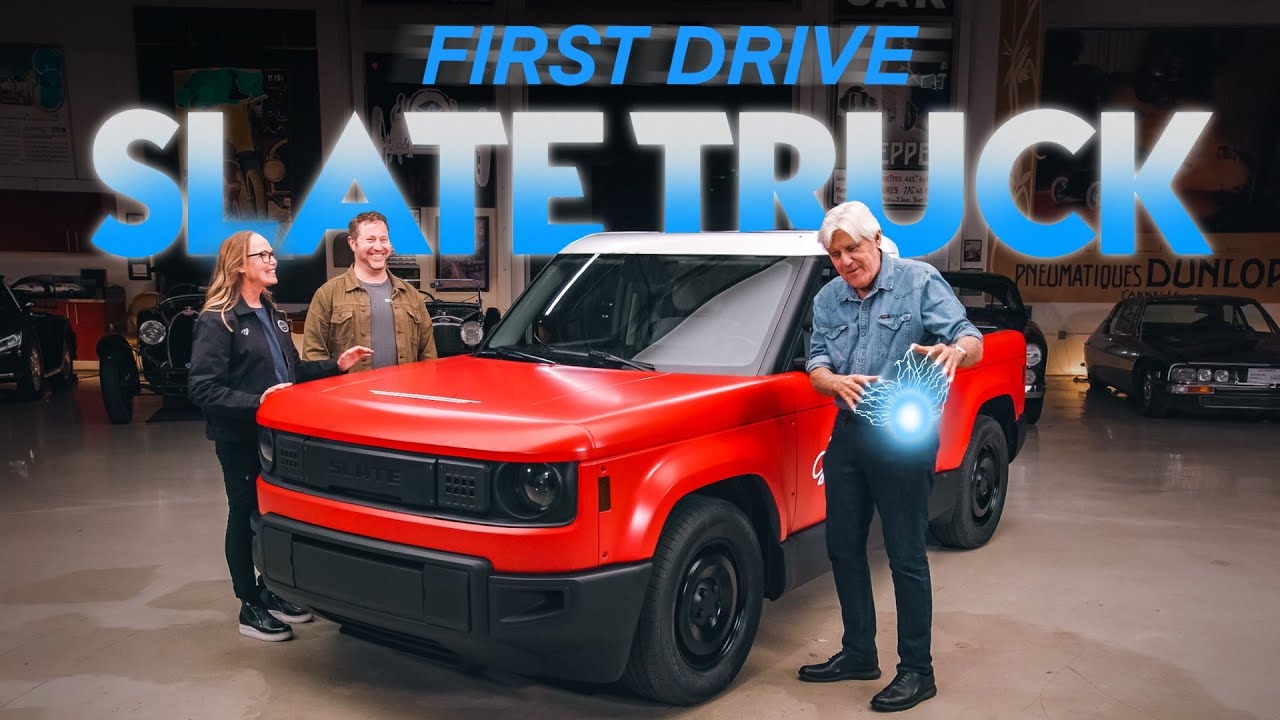
One of the many complaints that automotive enthusiasts have about electric vehicles is that they can’t work on them themselves because they are dangerous and require special tools. And while this is a worry most shouldn’t have, it’s still something car guys and gals talk about. So what if there was a cheap, run around town, commuter, that was affordable AND repairable at home? That’s the idea behind the Slate, or so say the manufacturers.
Now I’ve never seen one in person, but I have to say that I think there is something cool about these minimalist little trucks. If you are too young to have been around when 1980’s mini trucks were new, you might not realize just how simple these little machines were. Nothing on them was fancy. Everything was utilitarian. There was A LOT of exposed sheet metal inside them, and they were easy to modify and fix which is why all of us had one.
So does this Slate fit that same mold? If it does, it should find its way behind motorhomes zig zagging the country, in the driveways of average folks with average truck hauling needs, and also in the hands of enthusiasts who want to make them their own.
Let’s watch the video below with Jay Leno as he talks Slates and takes one for a ride so we can see what Jay thinks.
Video Description:
Jay Leno gets an exclusive first look at the Slate, a revolutionary new electric truck prototype built in Warsaw, Indiana. Designed by industry veterans from the early days of Tesla, Slate is on a mission to rebuild American manufacturing by offering a truly affordable, customizable EV for under $30,000.
With the average cost of a new car hitting $50,000, the Slate cuts that price in half through “Design for Manufacturing”—using a modular, single-vehicle assembly line where every truck comes off identical before being personalized by the owner. I
n this episode, Jay, Tisha Johnson, and Jeremy Snyder discuss modular DIY Engineering, how the truck can transform from a standard pickup into an SUV or an open-air vehicle with flat-pack kits you can install yourself.
Right to Repair: Why Slate is “open source,” allowing customers to perform their own warranty repairs and use a network of 4,000 independent shops instead of high-priced dealers.
Innovative Manufacturing: The elimination of the paint factory by using tool-impregnated colors and a design intended to be wrapped.
Performance & Range: Specs on the 150-mile and 230-mile battery packs, liquid cooling, and access to the North American Supercharger network.
Safety First: Despite the minimalist design, the Slate is engineered for a 5-star crash rating with beta prototypes already undergoing rigorous testing.
With over 150,000 reservations already on the books, could this be the vehicle that finally brings electric mobility to the American heartland?


