






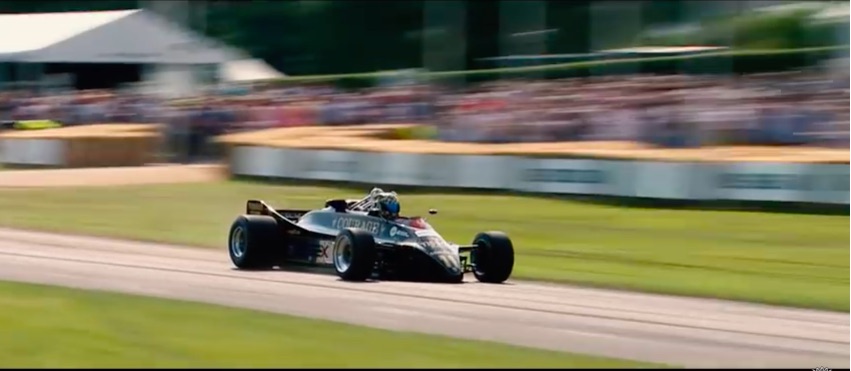
No matter what form of racing you enjoy there are cars that have pushed the boundaries of performance, innovation, and legality. The world of Formula One has had dozens of them, if not more over the years. Cars that had engines that didn’t quite make it and creative thinking that skirted the spirit of an otherwise thick rulebook. The story of the Lotus Type 88 is exactly that. One of Colin Chapman’s most amazing creations that never actually got to turn a wheel in competition because it was banned by the FIA before it ever actually saw the track in anger. Well, it kind of did. Believe it or not the machine showed up at the United Stated Grand Prix West, the Brazilian Grand Prix, and finally the British Grand Prix before being banned by officials. The fun footnote is that the car passed tech in Britain and was banned overnight.
So what was the big problem? By the time the early 1980s rolled around, ground effects had transformed F1 cars in ways no one could have ever expected in terms of performance. They were cornering and braking so hard that the drivers were blacking out and suffering ill effects from the massive lateral Gs that the cars were creating. The FIA decided to fix this by mandating a 6cm clearance between the car and the track in tech. This was a good idea but was immediately circumvented by teams with active suspensions that would drop down at speed or manually with a switch. Chapman had a different way to attack this problem.
The Lotus Type 88 uses two chassis. The first is what actually supports the car and its suspension. That’s what actually anchors the car to the ground. The second chassis supported the body and was sprung as well. As the car gained speed the body would be forced down over the lower chassis, basically sealing itself to the ground and gaining all of that “lost” traction back.
The machine used incredible amounts of carbon fiber for the day and it truly was about the most advanced thing that had ever been seen in F1. The other tricks being employed to get the “ground seal” back would cause cars to have little to no suspension. Chapman’s solution kept the suspension fully functional and increased grip vastly. Brilliant…too bad the rule makers freaked out over it.
So here’s the story of the Lotus Type 88 as told by Colin Chapman’s son with the actual car!


