






One of the things that’s insanely interesting about cars is that the personal preferences people have are actually monetized. The options we want, the horsepower we want, the look of the wheels and tires we want, they are all profit centers to some degree. Some micro and some macro. Interestingly this theory works in the inverse as well. What about the stuff people don’t want. Does that actually save them money? The answer is yes but it’s more subtle than you think.
The realization of these things was never more apparent than when we drove two cars from the same family of brands in reasonably short succession and while one impressed us with its thrifty price, solid execution, and driving dynamics, one didn’t really do that despite the fact that it had more horsepower and more features to play around with.
We’re talking about the Kia Kona and the Hyundai K4 GT-Line sedan.
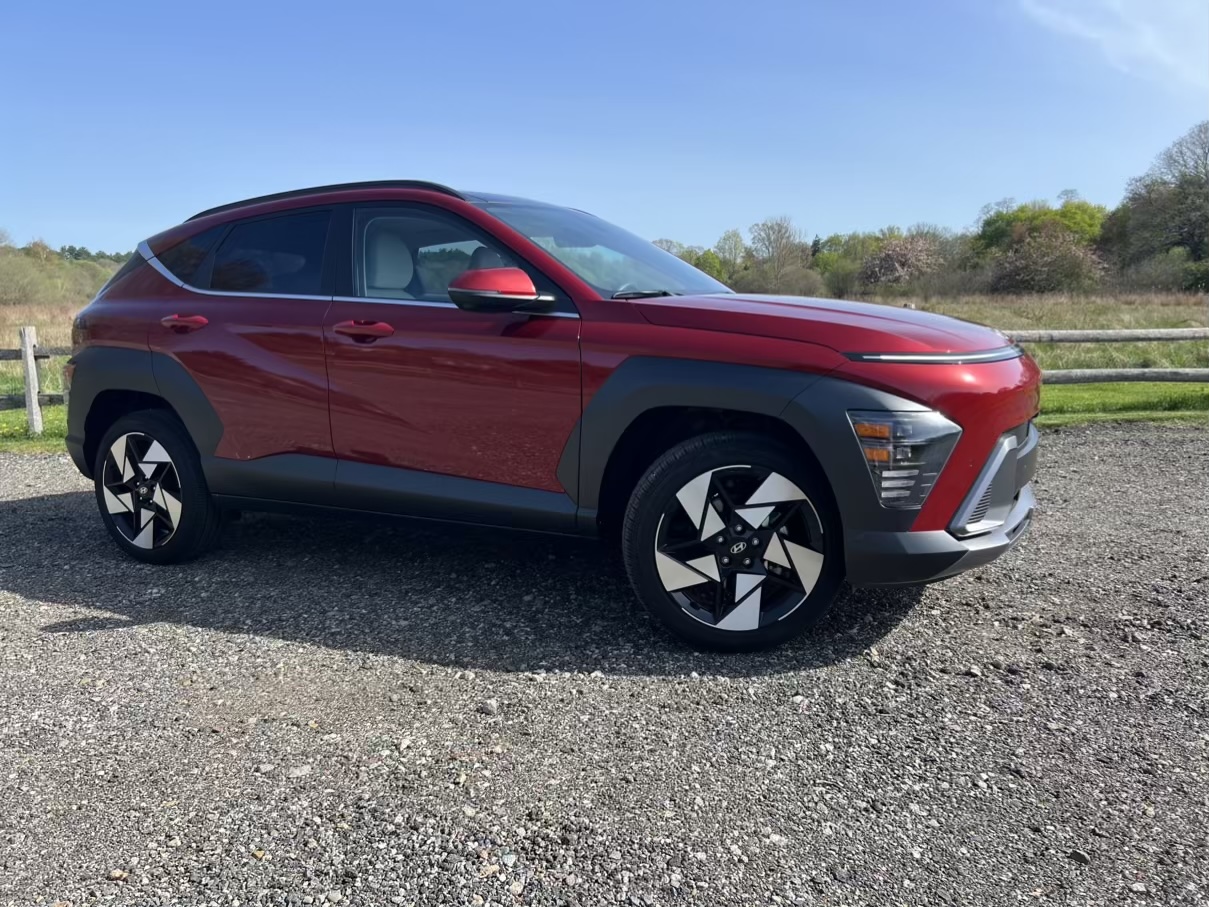

We’ve openly asked the question for years around here. Why do people gravitate toward compact SUVs when there are great mid-sized sedans being sold, often times on the same lot that do many of the basic things better than the CUV? We got to challenge our own opinions recently when we were able to drive the the 2025 Kia K4 and the 2025 Hyundai Kona. They are from the same family of brands, use engines that are not only similar but optional equipment in each, and were trimmed out equally in the options department. The major difference here outside of the style and category of the vehicles was power.
The K4 we tested was the GT Line model which gave it all the good appearance stuff, the upgraded multi-link rear suspension, better wheels, tires, and interior upgrades. It did not haver the 190hp 1.6L turbocharged engine, instead it was packing the 147hp 2.0L naturally aspirated four cylinder. Performance was what one would expect at this power level. Acceleration was not impressive but was adequate, handling though was very good, sharp, and precise. The GT Line upgraded rear suspension definitely makes the car feel like a properly sporty sedan and we had fun hitting some on and off ramps at the edge of the machine’s grip level.
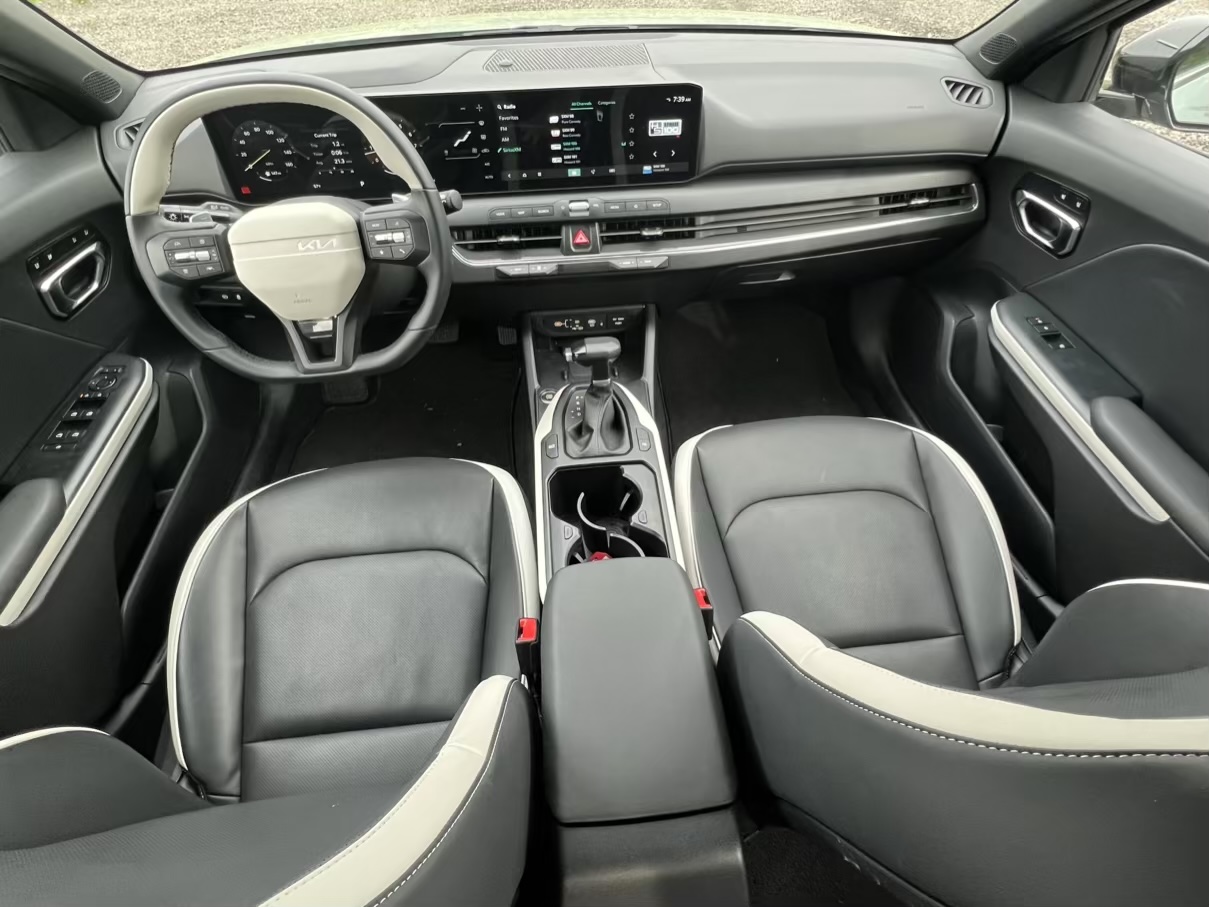


The interior is simply but it is well executed. If the driver and passenger seats seem well bolstered, they are, far more than we expected and deeper than we expected, as well. The tan accents broke up what would have been a monotone cave of black materials and plastic in here. We’re fans of the large single screen style dash without it having been broken up into a proper dash and then second center screen. This look is very much more clean and the screen itself is both handy and easily navigated.
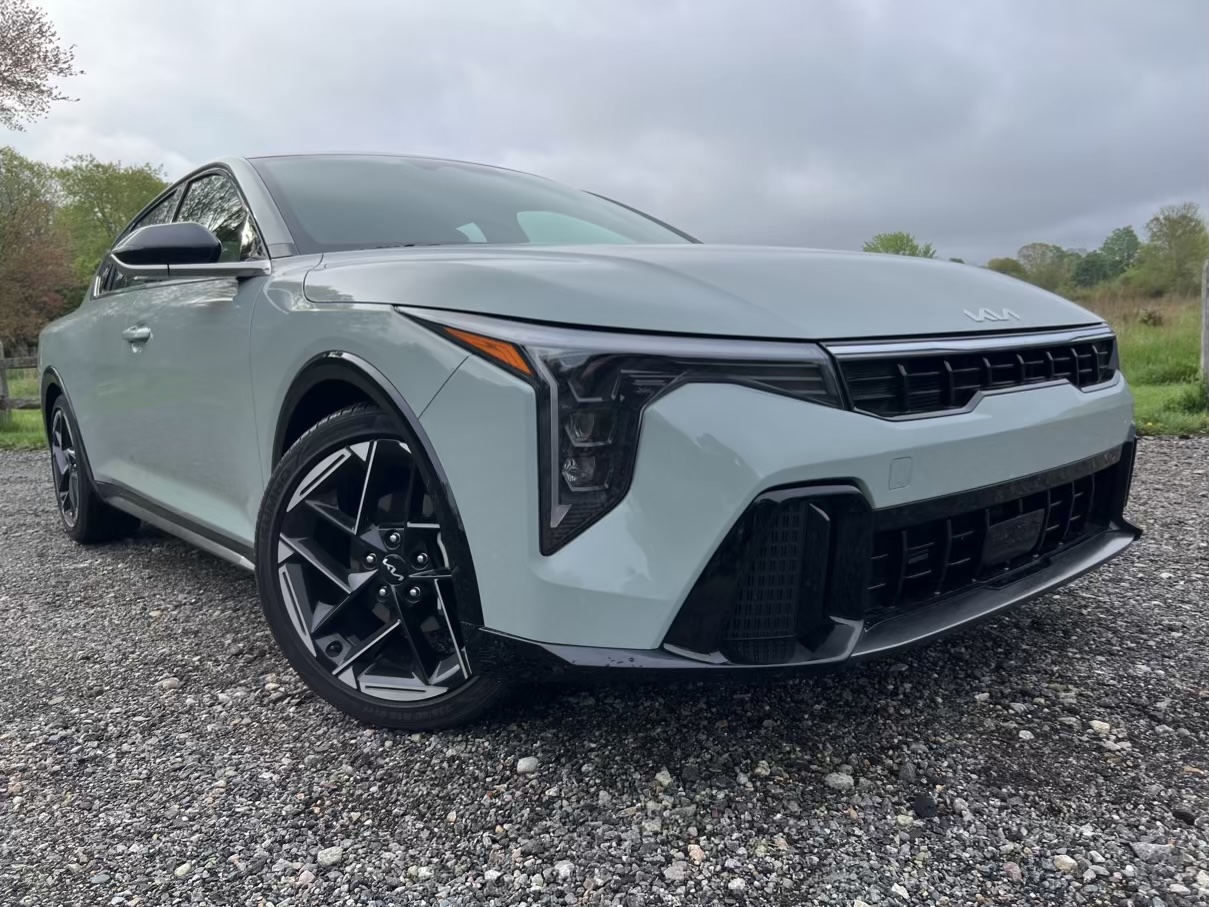
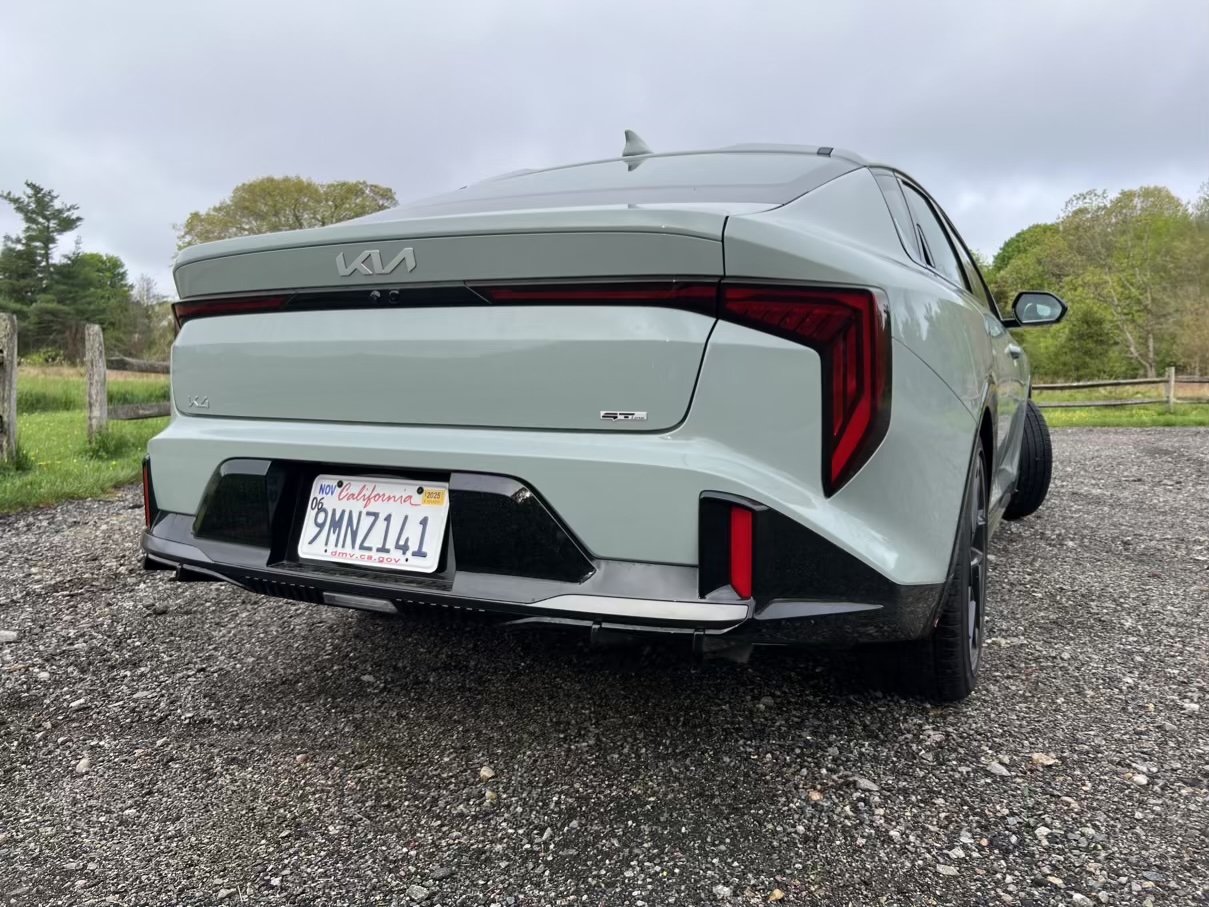
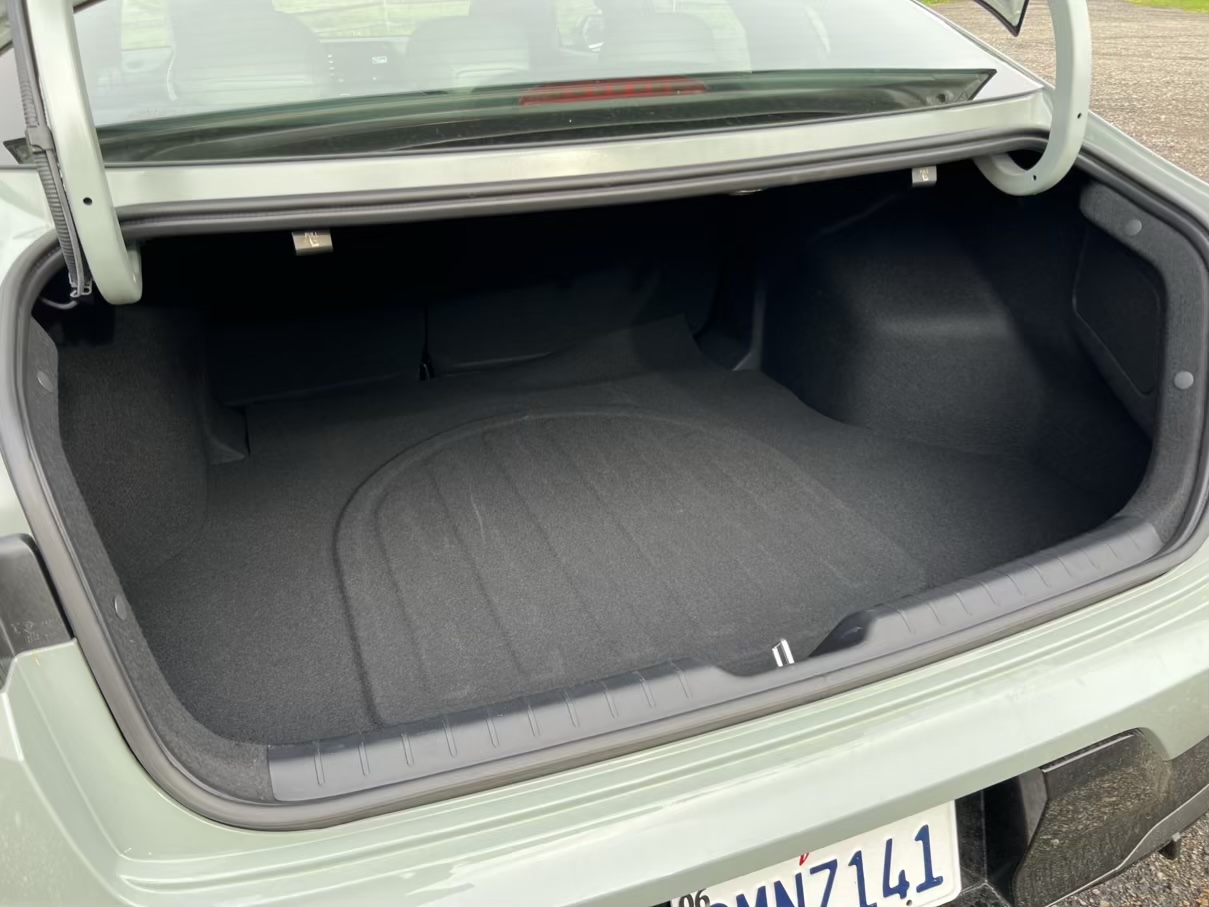

Perhaps we’re just total simpletons but the reality is that this mid-sized sedan has ample trunk space, very and kind of shockingly ample rear leg room, the most in this class of car, actually, along with nice styling that makes it look individualistic on the road. It is not another lump that blends in with every other car on the lot. Note that rear seat passengers have their own HVAC controls in the center area of the back and that the rear seat, which not carrying a lot of stylistic definition is soft and compliant enough to be comfortable for a long drive.
Also, note the trunk space. There’s always this argument that people “need the space” of an SUV and as you’ll see, unless you are handling small trees in flower pots vertically, the space argument kind of goes away when you can still fit half your life, gifts, golf bags, and groceries in a standard sedan truck…at the same time.
As the car sits we could live with it but adding the 40+ horsepower of the turbocharged engine and backing it with an eight speed instead of the CVT in this 2.0L powered car would absolutely be the way to click the option boxes. This said, you are looking at a car that you would drive off the lot for less than $30,000 brand new here and have not a lick of regret in it if the purpose were to get you to work and back every day.
But what about option two?
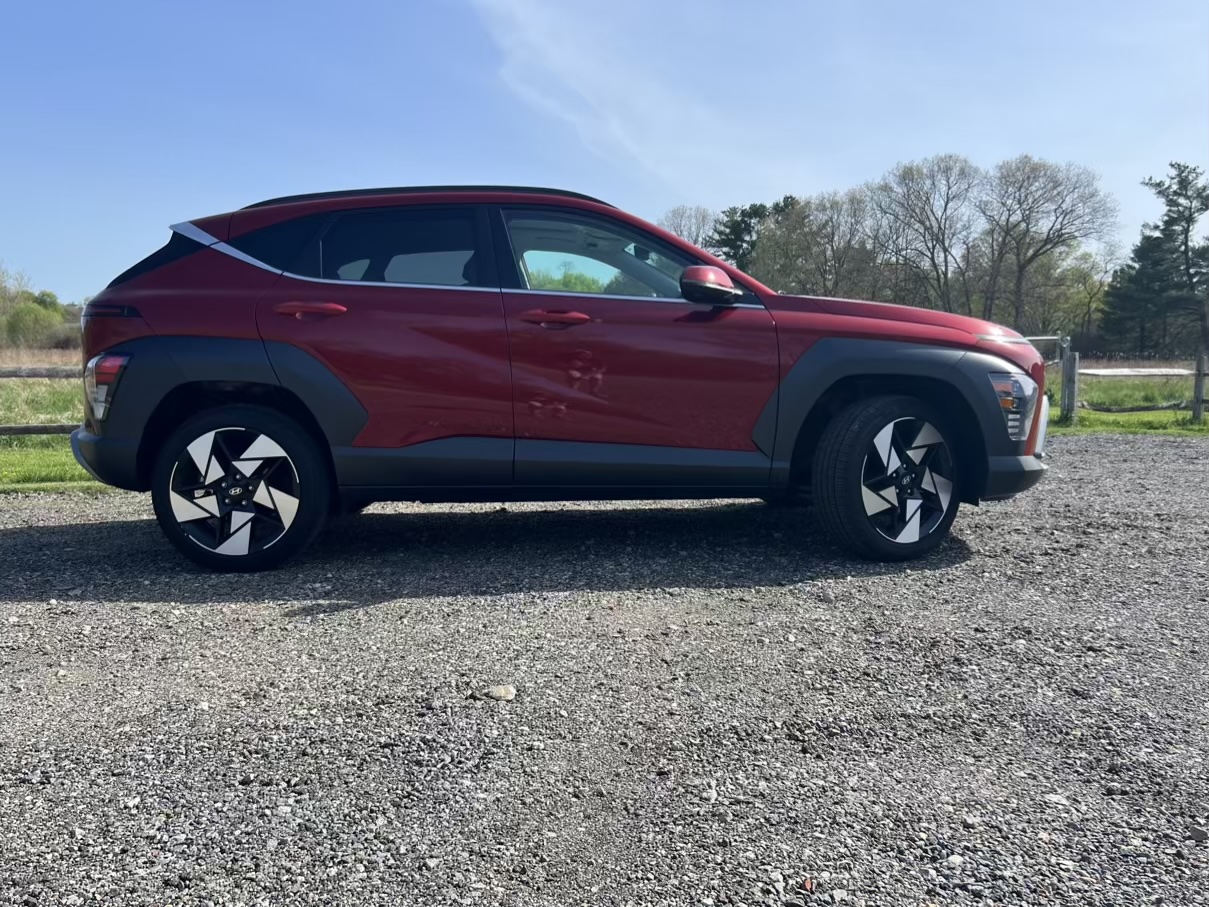
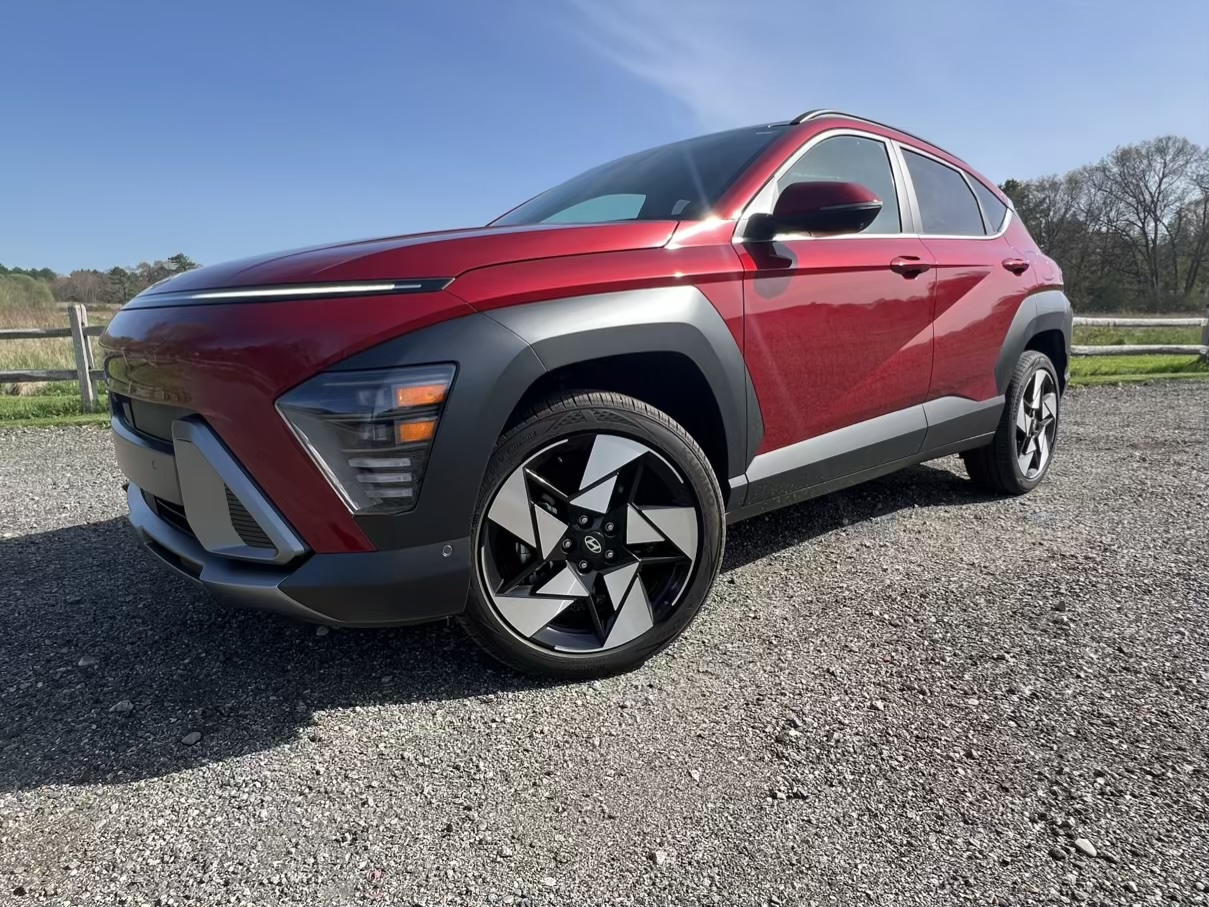
The 2025 Kia Kona Limited AWD. This is about the top of the heap when it comes to the Kona lineup. You get the turbocharged 1.6L 190hp engine, you get all wheel drive, the upgraded tire and wheel package, the interior luxuries that people, especially in cold weather climes want, and an overall modern look. We like the sleek light bar at the front of the Kona and the divorced headlights down below it certainly give off Nissan Rogue vibes. The overall silhouette is one that s seen by the millions every day in America. The CUV shape, no matter how it is dressed up on the ends always comes out looking the same, right?
High belt line, relatively high roofline, short rump with little overhang in the rear and a rather sawed off nose. There are only so many ways you can arrive at the same destination and seemingly every car company on the planet has determined their own version of this theme.
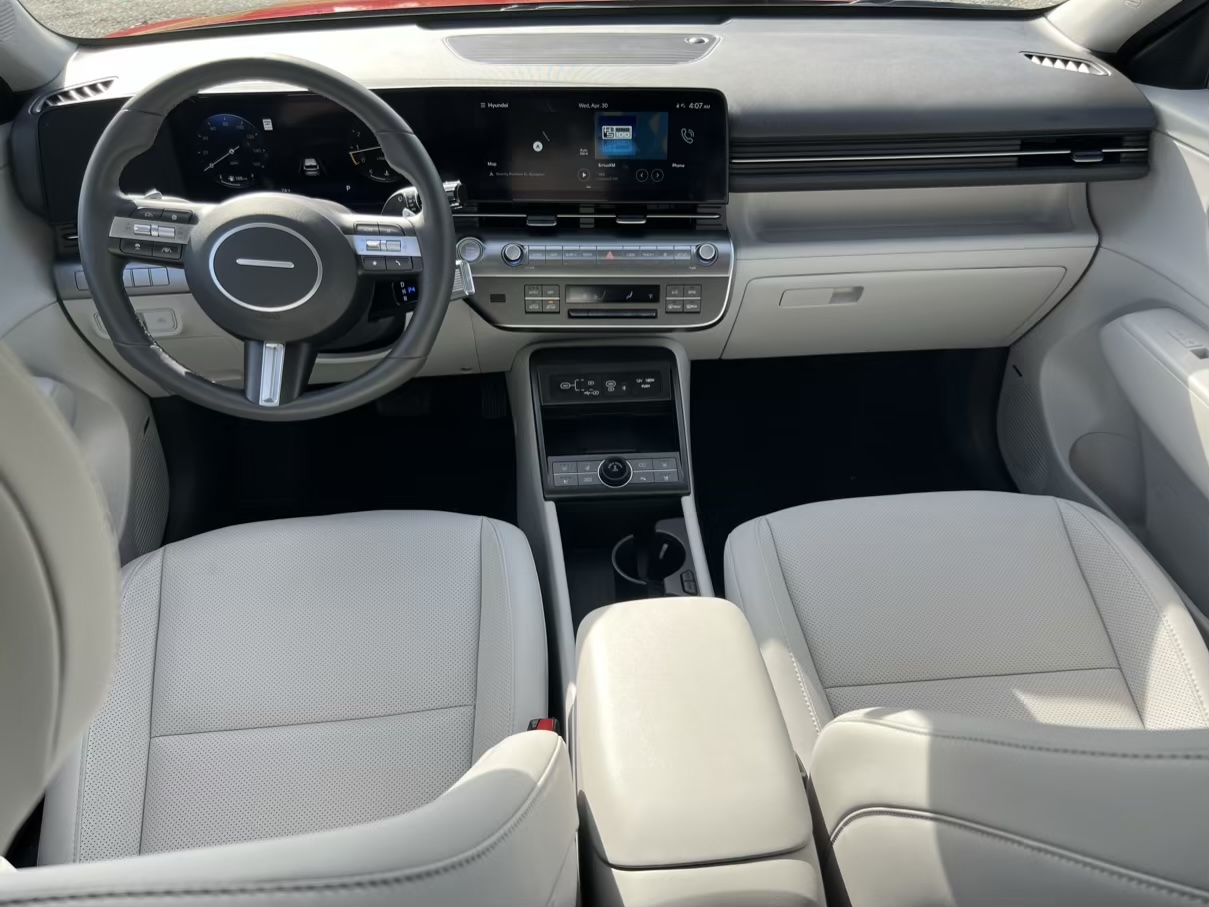
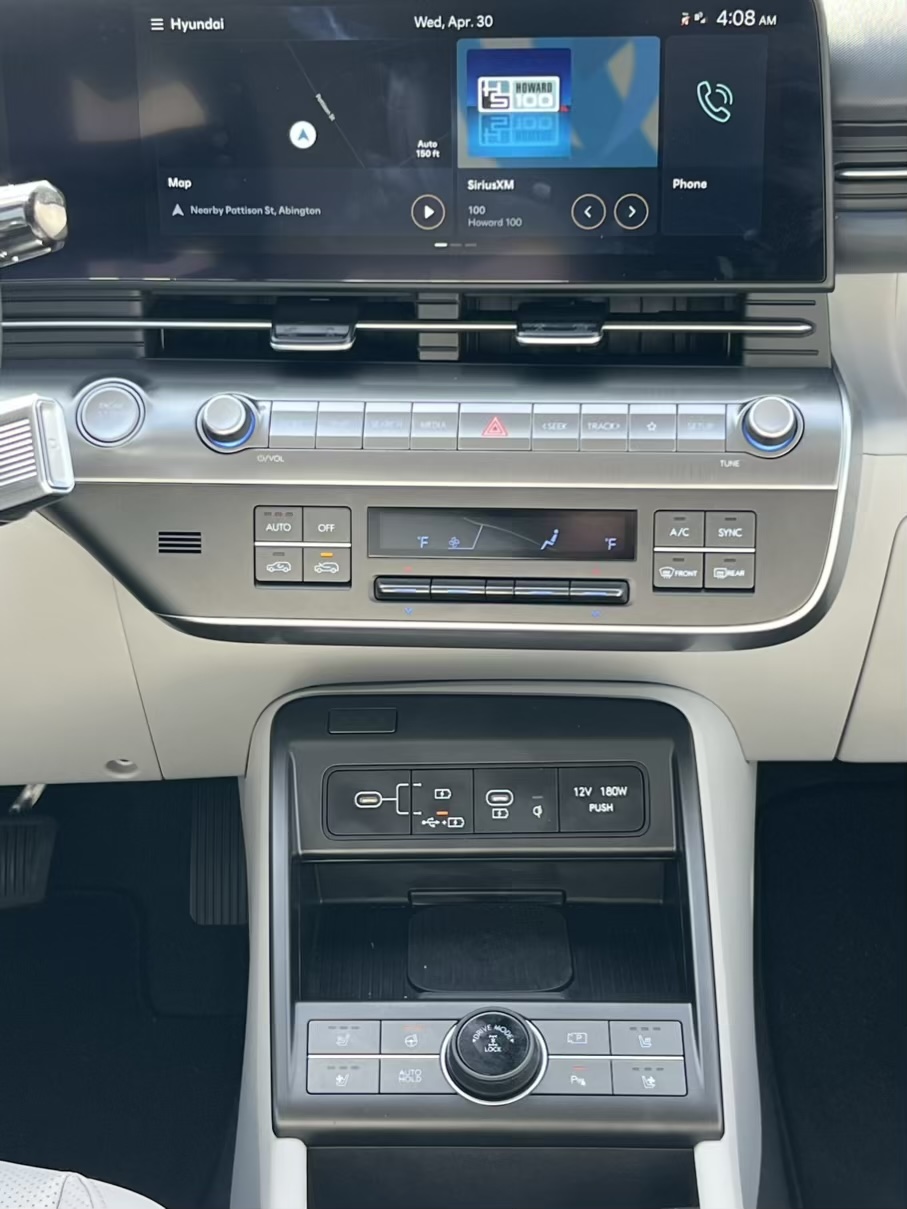
You may notice a couple of things immediately. The first is that the dash is the same in layout if not overall dimension than we saw in the K4. The seats are also very similar in their level of bolstering and depth although you’ll notice that the Kona does not have a shifter on the console, rather it is done with a small stalk adjacent to the steering wheel.
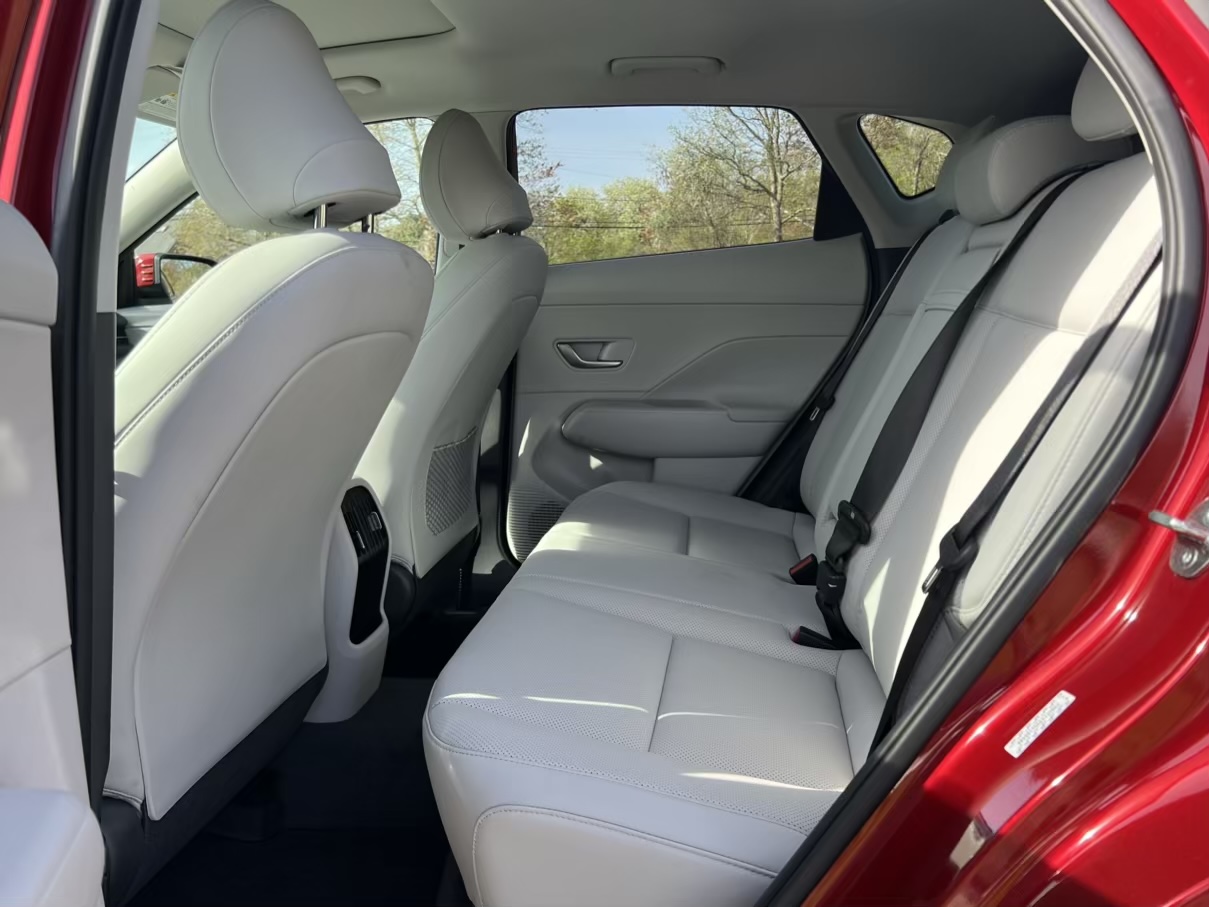
The most major visual different to us is the rear seating area and the about of room or lack there of the Kona presents. For whatever reason, likely, you know, physics, CUVs never seem capable of delivering the interior comfort and space of a sedan and this one is no exception. The legroom in the Kona is far smaller than is had in the K4 and because of that one of two things has to happen. Either the rear passenger sucks it up and squishes in or the driver buries him or herself into the steering wheel. Not ideal and not the only CUV with this issue over a sedan, it’s all of them.


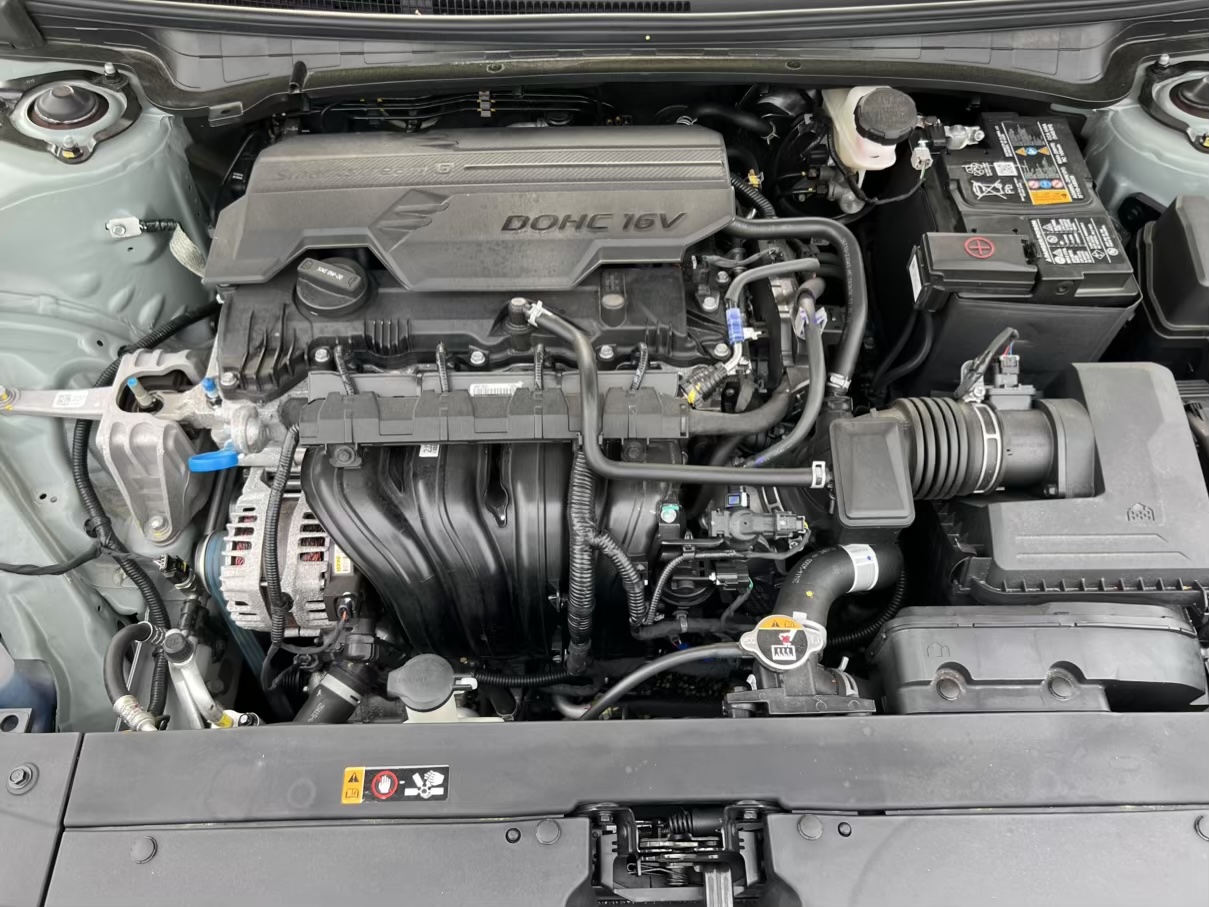
The 1.6L turbocharged engine shown here was a sprightly little thing and with 190hp and solid torque it moved the Kona long well attached to an eight speed automative transmission the the Hyundai H-Trac all wheel drive system. The shift by wire knob on the column takes a minute t get used to, but ultimately is not intrusive. The H-trac system, which we have had plenty of use with previous to this Kona in the snow of New England is a very well engineered and working addition to any Hyundai in the line up and if you live where it snows we cannot think of a reason why you’d not want it, nor would we want to be operating this Kona in a snowstorm where AWD was not present.
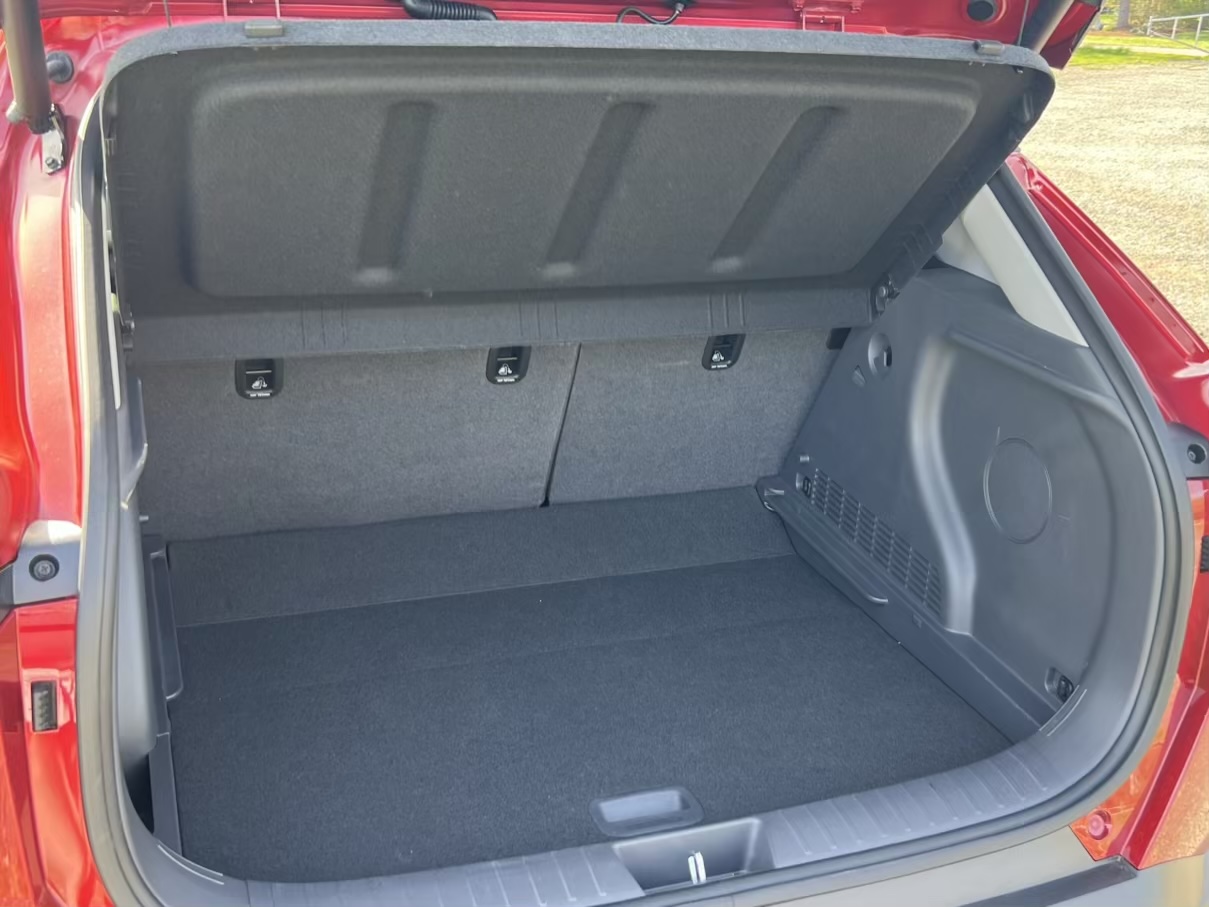
Note the storage area in the rear of the Kona. If you remove the storage divider and use the additional headspace it may be more sizable than the K4 trunk but otherwise? No shot. Yes it is functional and yes it will work but no it’s not some massive upgrade from a sedan’s trunk no matter how often people want to mention it.
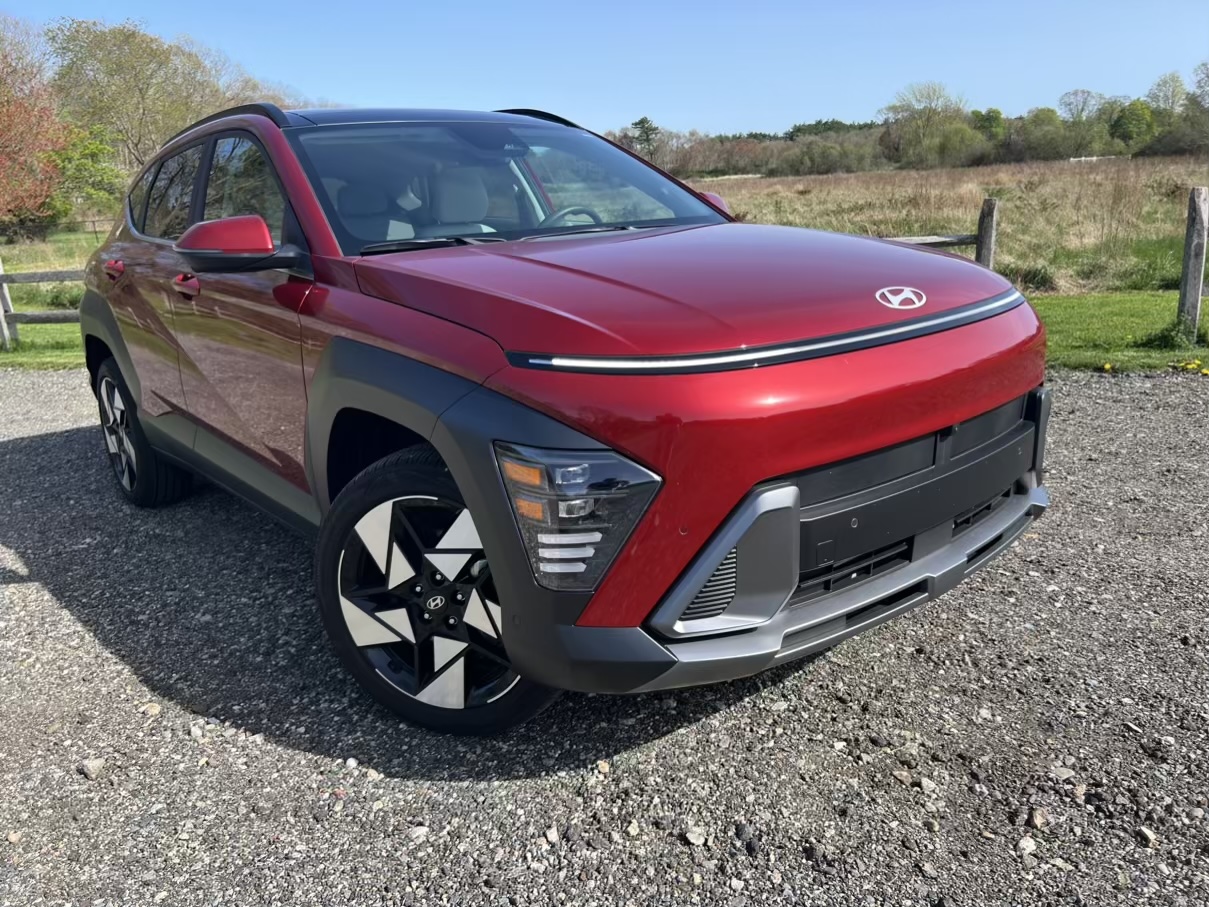
The final verdict is simple. Both of these are functional if rather mundane vehicles. Both will deliver solid fuel economy and both will do all the workaday things a modern car is supposed to do without trying. Yes the Kona has more power, but it is also heavier and therefore that advantage goes away as well as the additional height of the center of gravity makes cornering less fun than in the K4, so the sedan wins in fun factor despite being slower.
The AWD in the Kona makes it the better winter option in snowy climates by a ton, hands down.
The Kona comes in about $6,000 more expensive than the K4 and that’s a large chunk of change for a decision that isn’t giving you a whole lot more on the daily. We find the K4 to be the better commuter car option for the average buyer between these two. Yes, the K4 could be optioned up to match the price of the Kona but in reality, by the time you did that the car would feel exponentially more rich than the Hyundai, in our estimation.
Shop them both, drive them both and tell them why we’re right…or wrong.


